Insights
Designing for the Long View: Why Landscapes Take Time
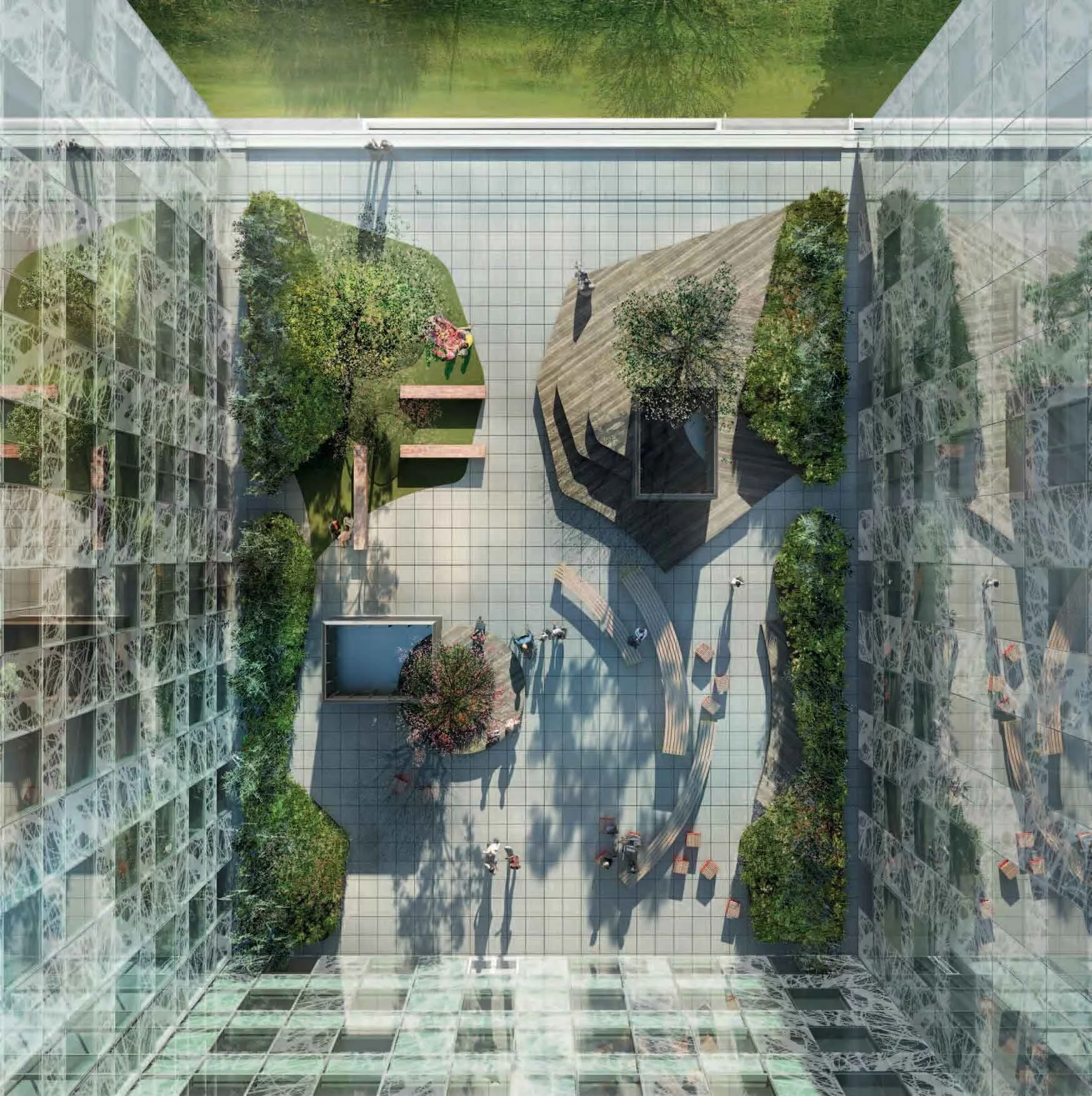
A building is more or less complete on the day it opens. A landscape is only beginning. Trees are saplings, planting is sparse, materials are still sharp-edged and new. The real design work is anticipating what the place becomes in five, fifteen and fifty years.
Designing for the long view changes the questions we ask. Not only how a space looks on opening day, but how it ages: which trees will shade the seating in two decades, how planting will knit together and suppress weeds, how surfaces will wear underfoot, how maintenance can stay light. It means choosing resilience over spectacle, and specifying for the climate a place will actually have rather than the one it has now.
It also means designing for stewardship. The best public landscapes have someone who cares for them, and a design that makes that care easy. We plan for that from the first sketch, and we stay involved well past construction, because a landscape that is designed for time is one that keeps giving value long after the ribbon is cut.